Video Marketing Made Simple: Complete Beginner's Guide
Master video marketing with this beginner's guide. Turn your content into revenue, beat algorithms, and build a loyal audience in 2025.
Getting Started
Sarah Chen
July 18, 2026 · 9 min read
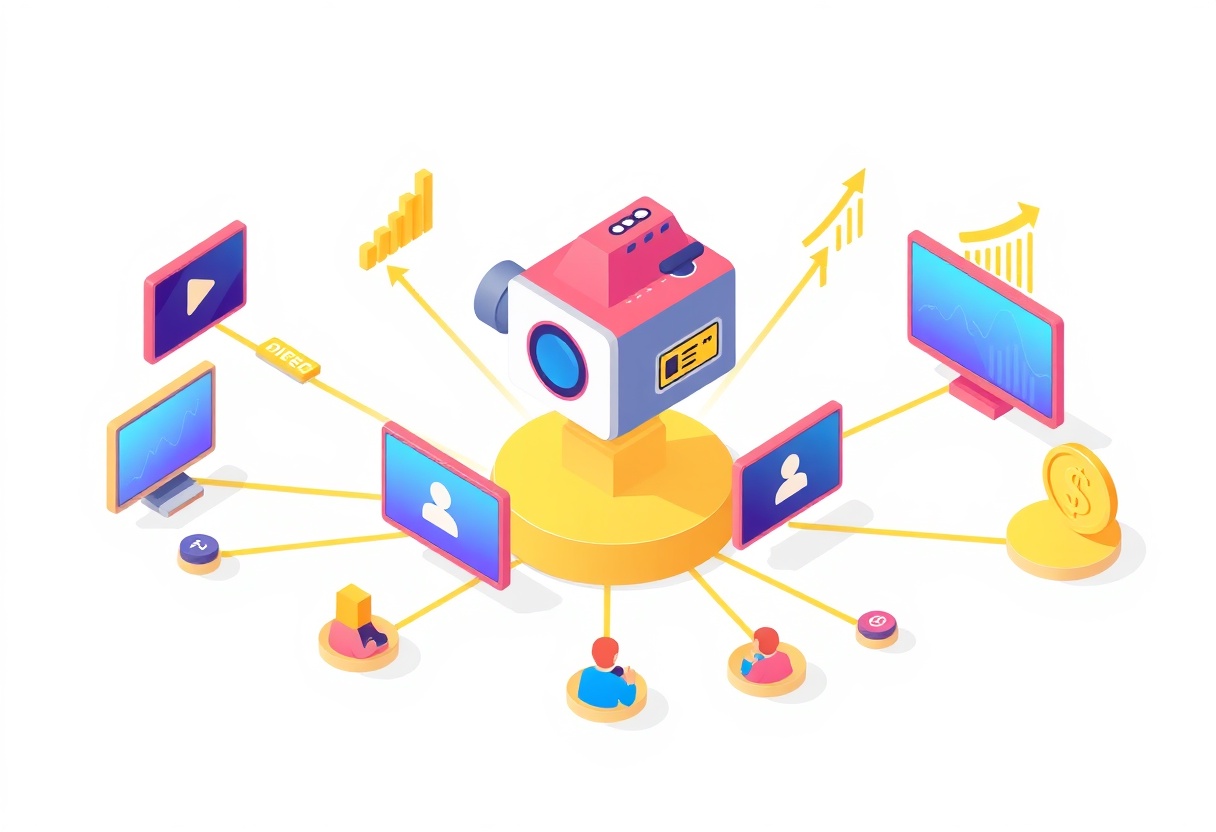
You’ve spent weeks creating the perfect video content. The lighting is flawless, the audio is crisp, and your message resonates. But when you hit publish, your video gets lost in the noise of social media algorithms, buried under millions of other posts competing for attention. Sound familiar? You’re not alone—85% of businesses now use video as a marketing tool, according to Wyzowl’s 2024 State of Video Marketing report, yet most creators struggle to make their content work for their business.
The good news? Video marketing doesn’t have to be complicated. With the right strategy and platform, you can turn your video content into a sustainable revenue stream while building a loyal audience that actually wants to hear from you.
What Makes Video Marketing Different in 2025?
Let’s start with the fundamentals. Video is simply moving visual content combined with audio—but in marketing terms, it’s your most powerful tool for building genuine connections with your audience. Unlike text-based content, video engages multiple senses simultaneously, making your message more memorable and persuasive.
The landscape has shifted dramatically. Where you can watch videos has expanded beyond YouTube and social media. Today’s viewers expect to access your content on their terms—whether that’s streaming on their smart TV while working out, watching on their phone during a commute, or catching up on their tablet before bed.
And yes, video absolutely still exists—it’s thriving. In fact, Cisco’s Visual Networking Index projects that video will account for 82% of all internet traffic by 2025. The question isn’t whether video works, but how you can leverage it effectively for your business.
Types of Video Content That Actually Drive Results
Not all video content serves the same purpose. Here’s what you need to know about the formats that convert:
Educational Content
Tutorial videos, how-to guides, and course content consistently outperform promotional material. Why? Because they provide immediate value. When you teach your audience something useful, you establish authority and build trust. Fitness instructors teaching proper form, educators breaking down complex topics, or coaches sharing frameworks—these videos create transformation, and transformation creates loyal subscribers.
Behind-the-Scenes Content
Authenticity wins every time. Show your process, share your failures alongside your successes, and let viewers into your world. This content might not drive immediate sales, but it builds the emotional connection that turns casual viewers into paying members.
Live Streaming
Real-time interaction changes the creator-viewer relationship. Live Q&A sessions, workshops, or commentary create urgency and exclusivity. Plus, you can automatically convert live streams to on-demand content—doubling the value of every broadcast. If you’re building a membership platform, check out how Vidori’s catalog management makes it easy to organize both live and VOD content.
Series and Episodic Content
Binge-watching isn’t just for Netflix. When you structure your content into seasons and series, you give viewers a reason to stay subscribed. Each episode becomes a retention tool, building anticipation for the next release.
Building Your Video Distribution Strategy
Creating great content is only half the battle. You need a distribution strategy that doesn’t leave you at the mercy of algorithm changes or platform policy shifts.
The Platform Problem
Social media platforms are rented land. They control your reach, your monetization options, and your relationship with your audience. One algorithm update can cut your organic reach by 50% overnight. Relying solely on platforms like YouTube or Instagram means you’re building your business on someone else’s foundation.
The Owned Platform Advantage
When you host video on your own streaming platform, you control everything: pricing, branding, viewer data, and direct relationships. No revenue sharing (platforms like Patreon take up to 14% of your earnings), no per-subscriber fees eating into your growth (unlike Uscreen’s $0.99-1.99 per subscriber model), and no arbitrary content restrictions.
Modern video platforms like Vidori deliver content across 16+ platforms—iOS, Android, Roku, Fire TV, Apple TV, Samsung TV, LG TV, and web—from a single upload. Your subscribers watch where they want, and you maintain full control.
Pro Tip: The best approach combines both strategies. Use social media for discovery and awareness, then convert engaged viewers into subscribers on your owned platform. This “hook and convert” model builds sustainable revenue while still leveraging social reach.
Setting Up Your Video Infrastructure
Technical setup intimidates many creators, but it doesn’t need to. Here’s what actually matters:
Video Quality Basics
You don’t need a Hollywood production budget. Today’s smartphones shoot in 4K, and decent lighting can be achieved for under $100. Focus on clear audio first—viewers will forgive lower video quality, but poor audio kills engagement immediately.
Encoding and Delivery
Modern platforms handle the technical complexity automatically. When you upload a video, it should be automatically transcoded to multiple resolutions (1080p, 720p, 480p, etc.) so viewers get the best quality for their connection speed. This adaptive bitrate streaming happens behind the scenes—you upload once, the platform handles the rest.
Security Matters
If you’re monetizing content, you need DRM (Digital Rights Management) protection. This prevents unauthorized downloading and sharing of your premium content. Look for platforms offering Widevine and FairPlay DRM as standard features.
Monetization Models That Work
Here’s where strategy meets revenue. Different models work for different content types:
Subscription (SVOD)
Monthly or annual recurring revenue from members who get unlimited access to your library. This model works brilliantly for educational content, fitness programs, or any content with ongoing value. The key is releasing new content consistently to reduce churn.
Pay-Per-View (TVOD)
Single-payment access to specific content. Perfect for workshops, special events, or premium masterclasses. You can offer both individual purchases and bundles to maximize revenue.
Free Trials
The most effective conversion tool in subscription businesses. A 7 or 14-day free trial lets viewers experience your full library risk-free. According to internal data, platforms using smart trial-to-paid strategies see 2.4x higher conversion rates than those skipping trials.
Platforms like Vidori charge a flat monthly fee starting at $99/month with zero revenue share—meaning you keep 100% of what your subscribers pay. Compare that to Vimeo OTT’s $1-per-subscriber model where costs scale unpredictably with growth.
Using AI to Optimize Your Video Strategy
The latest platforms incorporate AI agents that handle tasks you’d otherwise spend hours on manually:
Content optimization uses AI to generate compelling titles, descriptions, and tags based on your video content. Instead of guessing what keywords to target, AI analyzes your video and suggests metadata that improves discoverability.
Viewer personalization creates Netflix-style recommendations unique to each subscriber. When someone finishes a workout video, the platform automatically suggests related content based on their watch history and preferences.
Churn prediction identifies subscribers at risk of canceling before they leave. Early warning indicators trigger automated retention campaigns—maybe a personalized email, a special offer, or a recommendation for content they haven’t discovered yet.
For creators on platforms with AI capabilities, these tools typically increase engagement by 20-30% without additional manual work.
Measuring What Actually Matters
Analytics paralysis is real. You could track hundreds of metrics, but focus on these key indicators:
Watch Time
Not just views—how long people actually watch. A 10-minute video with 8-minute average watch time outperforms a 5-minute video with 2-minute watch time. This metric reveals content quality and audience fit.
Subscriber Retention
The percentage of subscribers who renew monthly. If you have 20% monthly churn, you’re losing 1 in 5 subscribers every month. Improving retention from 80% to 85% dramatically increases lifetime value.
Content Performance
Which videos drive subscriptions? Which cause viewers to binge-watch your entire library? Understanding performance patterns helps you create more of what works.
Revenue Per Subscriber
Total monthly revenue divided by active subscribers. This metric combines pricing strategy, upsells, and engagement into a single number that shows your platform’s health.
The analytics tools in modern platforms break down these metrics with cohort analysis, showing exactly how different subscriber groups behave over time.
Getting Started: Your First 30 Days
Week 1: Audit your existing content. What do you already have that provides value? Organize it into logical series or categories.
Week 2: Choose your platform and set up your streaming site. Modern platforms offer 14-day free trials—test the interface, upload sample content, and ensure it meets your needs.
Week 3: Create your first monetization offer. Will you start with a free trial leading to monthly subscription? A low-cost entry product? Define pricing and trial length.
Week 4: Soft launch to a small group. Get feedback, refine your offering, and iron out any technical issues before your public launch.
Pro Tip: Don’t wait for a massive content library before launching. Six to ten high-quality videos in a focused niche beats 100 random videos. You can add content weekly after launch—subscribers who see regular new releases stay subscribed longer.
Key Takeaways
- Own your platform: Social media is for discovery; owned platforms are for monetization and sustainable growth
- Quality over quantity: Ten exceptional videos organized into a cohesive series outperform fifty random uploads
- Monetization requires strategy: Choose subscription, pay-per-view, or hybrid models based on your content type and audience preferences
- AI optimization scales your efforts: Automated personalization and churn prediction improve results without manual intervention
- Retention matters more than acquisition: A 5% improvement in subscriber retention increases lifetime value by 25-95%
Start Building Your Video Platform Today
You’ve seen how video marketing transforms from content creation into sustainable business. The gap between “making videos” and “running a profitable video business” comes down to strategy, platform choice, and execution.
Ready to take control of your video content and monetization? Try Vidori free for 14 days—no credit card required. You’ll get access to the full platform including custom apps, AI optimization tools, and multi-platform streaming. Upload your first videos, test the subscriber experience, and see if an owned platform fits your business model.
Or explore how Vidori works for creators like you who are building subscription businesses around their expertise.
Written by
Sarah Chen
Content creator and streaming industry expert. Helping creators build sustainable businesses with video.