OTT Means What? Your Complete Beginner's Guide
Confused what OTT means? Get the complete beginner's breakdown of over-the-top streaming, how it works, and why it's replacing traditional TV.
Getting Started
Sarah Chen
April 5, 2026 · 8 min read
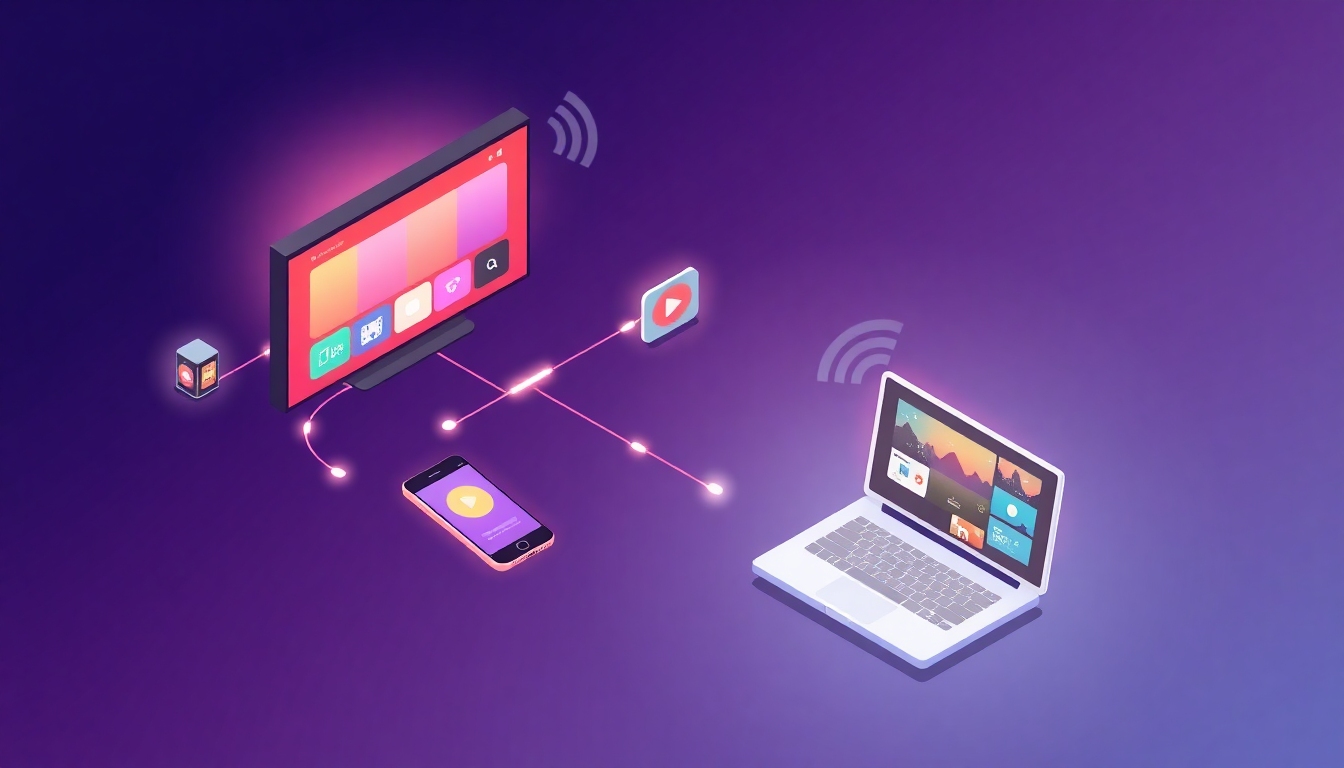
You’ve probably heard someone mention they’re “watching something on OTT” or seen job postings for “OTT platform managers.” If you’re wondering what OTT means and why everyone’s suddenly talking about it, you’re not alone. The term has exploded in popularity as streaming has taken over how we consume video content—but the acronym itself can be confusing.
OTT stands for “over-the-top,” and it refers to any video content delivered directly over the internet, bypassing traditional cable or satellite TV providers. Think Netflix, Hulu, Disney+, or even your favorite YouTuber’s membership platform. The “over-the-top” part means the content goes “over” the traditional distribution methods—straight from the content provider to your screen through your internet connection.
In this guide, we’ll break down exactly what OTT streaming means, show you real-world examples, explain how it differs from traditional TV, and help you understand why this model has become the go-to choice for content creators building their own streaming businesses.
What Does OTT Actually Mean?
The term “over-the-top” originally comes from the cable industry. Traditional TV required a cable box, satellite dish, or antenna—physical infrastructure controlled by providers like Comcast or DirecTV. OTT services “go over the top” of that infrastructure by using the internet instead.
Here’s what makes a service OTT:
- Internet delivery: Content streams directly over your broadband connection
- No middleman: You don’t need a cable subscription or special equipment beyond an internet connection
- Direct to consumer: Viewers subscribe or purchase directly from the content provider
- Multi-device access: Watch on your phone, tablet, smart TV, or computer
According to Statista, the global OTT video market is expected to reach $476 billion by 2027, with over 3.4 billion users worldwide. This massive growth shows how fundamentally OTT has changed video consumption.
OTT Examples: What Counts as an OTT Platform?
Understanding OTT streaming meaning becomes clearer when you see real examples. OTT platforms fall into several categories:
Subscription Video on Demand (SVOD)
- Netflix, Disney+, HBO Max
- Monthly or annual fee for unlimited access to a content library
- This is what most people think of when they hear “OTT”
Ad-Supported Video on Demand (AVOD)
- YouTube, Pluto TV, Tubi
- Free to watch, supported by advertising
- Viewers exchange their attention (watching ads) for content access
Transactional Video on Demand (TVOD)
- iTunes, Amazon Prime Video rentals
- Pay-per-view or individual title purchases
- One-time payment for temporary or permanent access
Creator-Owned OTT Platforms
- Independent fitness instructors with workout libraries
- Educators offering online courses
- Documentary filmmakers building direct subscriber bases
- These platforms often use white-label solutions like Vidori’s custom app builder to create branded streaming experiences
Pro Tip: Many successful OTT platforms combine models. You might offer a subscription tier, sell individual workshops, and have free preview content—all on the same platform.
What Is OTT on Netflix? (Breaking Down a Popular Question)
When people ask “what is OTT on Netflix,” they’re usually trying to understand how Netflix fits into the OTT category. Netflix is the most recognizable OTT platform—it delivers video content over the internet without requiring a cable subscription. You pay Netflix directly, stream through your internet connection, and watch on any compatible device.
The confusion often comes from Netflix’s ubiquity. Because it’s so dominant, some people think “OTT” is just another word for Netflix. Actually, Netflix is one example of an OTT platform among thousands. The Leichtman Research Group reports that the top nine streaming services in the U.S. now account for more video viewing hours than traditional cable TV—a massive shift that’s happened in less than a decade.
What Is an OTT for TV?
An OTT platform for TV simply means streaming services you access through your television set rather than a cable box. Modern smart TVs come with built-in apps for Netflix, Disney+, Hulu, and other OTT services. Alternatively, you can use devices like:
- Roku streaming stick or box
- Amazon Fire TV
- Apple TV
- Chromecast
- Gaming consoles (PlayStation, Xbox)
The key difference: traditional TV broadcasting sends signals over airwaves or through cable lines to a cable box. OTT for TV uses your TV as a display screen, but the content comes through your internet connection instead.
For creators launching their own streaming platforms, offering a TV app is no longer optional—it’s expected. Viewers want to watch on their 65-inch screens, not just their phones. Platforms like Vidori support 16+ platforms including iOS, Android, Roku, Fire TV, Apple TV, Samsung TV, and LG TV, giving creators the same multi-device reach as major streaming services.
What Does OTT Mean in Slang?
Outside the streaming world, “OTT” in slang means “over the top”—as in excessive, dramatic, or exaggerated. Someone might say “her reaction was so OTT” or “that party decoration is way OTT.”
The two meanings are completely unrelated, which causes occasional confusion. When you’re reading about the streaming industry, “OTT” always refers to over-the-top video delivery, not someone’s dramatic behavior.
Why OTT Matters for Content Creators
The explosion of OTT has created unprecedented opportunities for independent creators. You no longer need a TV network deal or distribution company to reach a global audience. Here’s why OTT platform means freedom for creators:
Direct monetization: Keep most or all of your revenue instead of splitting it with cable providers or YouTube. Some platforms like Vidori charge flat monthly fees starting at $99/month with zero revenue share—you keep 100% of your subscriber income.
Audience ownership: You own the customer relationship, email list, and viewer data. When you build on YouTube alone, you’re renting an audience. With your own SVOD platform, viewers become your subscribers.
Creative control: No content guidelines beyond your own standards (and legal requirements). Create what your audience wants without algorithm pressures.
Premium positioning: Charging for content signals value. Viewers who pay for access are more engaged than casual free viewers.
Pro Tip: The best OTT strategy combines free and paid content. Use free content on YouTube or social media to build awareness, then convert your most engaged viewers to paid subscribers on your own platform. This approach is detailed in Vidori’s catalog management guide.
OTT vs. Traditional TV: Key Differences
| Feature | Traditional TV | OTT Streaming |
|---|---|---|
| Delivery | Cable/satellite infrastructure | Internet connection |
| Cost structure | Bundled packages with channels you don’t watch | Pay only for services you want |
| Viewing schedule | Fixed programming schedule | Watch anytime, on-demand |
| Device flexibility | Tied to TV with cable box | Any internet-connected device |
| Content discovery | Channel surfing | Algorithm recommendations, search |
| For creators | Need network deals | Direct-to-consumer distribution |
The flexibility of OTT has fundamentally changed viewer expectations. According to Nielsen, streaming now accounts for over 38% of total TV usage in the U.S., surpassing both cable and broadcast.
Getting Started with Your Own OTT Platform
If you’re a creator considering launching your own OTT service, the technical barriers have dropped dramatically. Modern platforms handle the complex infrastructure (transcoding, CDN delivery, DRM protection, payment processing) so you can focus on creating content.
Here’s what you need:
Content library: At minimum, 10-20 pieces of high-quality video content to justify a subscription. More is better, but start with what you have.
Monetization strategy: Decide between monthly subscriptions, annual plans, pay-per-view, or bundles. Most successful creators offer multiple tiers.
Streaming platform: Choose between building custom (expensive, time-consuming) or using a white-label solution. Platforms like Vidori, Uscreen, or Vimeo OTT provide turnkey options. Compare features and pricing models carefully—for example, Uscreen charges $149/month plus $0.99-$1.99 per subscriber, while Vidori uses flat monthly pricing with no per-subscriber fees.
Marketing plan: Your platform won’t market itself. Plan for email campaigns, social media promotion, free trials, and partnerships.
Key Takeaways
- OTT means “over-the-top” video delivery via internet, bypassing traditional cable/satellite TV infrastructure
- OTT includes major services like Netflix and Disney+, plus thousands of independent creator platforms
- The OTT model gives creators direct access to audiences and monetization without intermediaries taking large cuts
- Viewers expect multi-device access—your OTT platform needs to work on phones, tablets, computers, and TV screens
- OTT represents a fundamental shift from scheduled broadcasting to on-demand, internet-delivered content
Ready to Launch Your Own OTT Platform?
Understanding what OTT means is the first step. The next is deciding whether building your own streaming business makes sense for your content and audience.
If you’re ready to move beyond YouTube ad revenue or platform algorithms, Vidori offers everything you need to launch a professional OTT service: white-label apps for iOS, Android, Roku, Fire TV, and web, built-in payment processing through Stripe, and AI-powered features to optimize your content and grow your audience. With transparent pricing starting at $99/month and zero revenue share, you keep 100% of what your subscribers pay.
Start your 14-day free trial today—no credit card required. Build your streaming platform, upload your content, and launch your own OTT service in days, not months.
Written by
Sarah Chen
Content creator and streaming industry expert. Helping creators build sustainable businesses with video.