IPTV Streaming: Complete Guide for Beginners in 2024
Master IPTV streaming in 2024: understand how it works, spot legitimate vs. illegal services, and choose the right provider for your needs.
Getting Started
Sarah Chen
April 14, 2026 · 8 min read
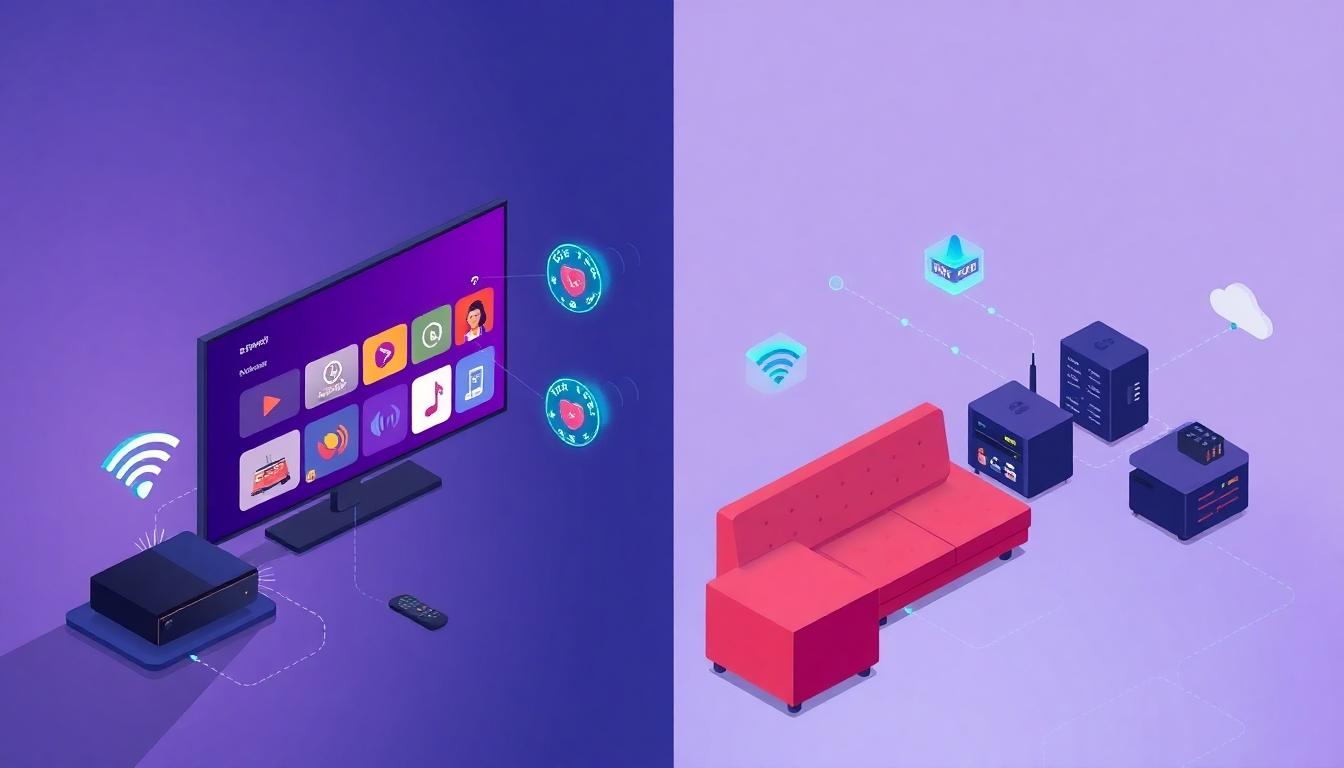
If you’ve been searching for “IPTV streaming” or stumbled across terms like “realm IPTV” and “free IPTV streaming” on Reddit, you’re probably wondering what IPTV actually is—and whether it’s right for you. Internet Protocol Television (IPTV streaming) delivers video content over the internet instead of traditional cable or satellite. But here’s the catch: the IPTV landscape is filled with legitimate services, questionable providers, and outright illegal operations. This guide cuts through the confusion to help you understand IPTV, evaluate your options, and make informed decisions about streaming in 2024.
What Is IPTV Streaming?
IPTV streaming uses internet protocols to deliver television content directly to your devices. Unlike traditional broadcast methods that send signals through cables or satellites, IPTV transmits video data packets over broadband connections. Think of it as the technology powering services like Netflix, Hulu, and YouTube TV—but the term “IPTV” has become associated with both legitimate streaming platforms and unauthorized services that redistribute copyrighted content.
According to Grand View Research, the global IPTV market was valued at $79.7 billion in 2023 and is expected to grow at a compound annual growth rate of 17.8% through 2030. This explosive growth reflects how internet-based streaming has fundamentally changed how we consume video content.
There are three main types of IPTV:
Live IPTV: Real-time broadcasting of television channels, sports events, and live content—similar to traditional TV but delivered over the internet.
Video on Demand (VOD): Libraries of content you can watch whenever you choose, including movies, TV series, and educational content.
Time-Shifted IPTV: Catch-up TV that lets you watch previously aired programs within a specific window, typically 24-72 hours after the original broadcast.
Is IPTV Legal in the US?
This is the most critical question for anyone exploring IPTV streaming. The short answer: IPTV technology is completely legal. The legality depends entirely on whether the service has proper licensing rights to distribute the content it offers.
Legitimate IPTV services like YouTube TV, Sling TV, and Hulu + Live TV pay content creators and networks for distribution rights. These platforms operate legally and won’t put you at risk.
The problem arises with unauthorized IPTV services—often advertised as “lexonstream IPTV” or “free IPTV streaming” services—that redistribute copyrighted content without permission. These services violate copyright law, and using them can expose you to legal consequences. The U.S. Copyright Office is clear: unauthorized distribution or access to copyrighted content is illegal.
If you’re seeing IPTV services advertised with suspiciously comprehensive channel lineups (500+ international channels) for $10-15 per month, that’s a red flag. No legitimate service can offer that much content at that price point while paying licensing fees.
Pro Tip: If an IPTV service doesn’t clearly display its licensing information, terms of service, or company details, assume it’s operating in a legal gray area. Stick with established platforms or build your own using licensed content.
How Much Does IPTV Cost a Month?
IPTV streaming costs vary dramatically depending on whether you’re using legitimate services or questionable providers.
Legitimate IPTV Services:
- YouTube TV: $72.99/month for 100+ channels
- Hulu + Live TV: $76.99/month (with Disney+ and ESPN+)
- Sling TV: $40-55/month depending on package
- FuboTV: $74.99/month for sports-focused content
Creator-Owned Platforms: If you’re a content creator building your own IPTV-style platform, costs depend on your chosen infrastructure. With Vidori’s pricing, you can launch a white-label streaming service starting at $99/month with zero revenue share—meaning you keep 100% of subscriber revenue without per-subscriber fees that scale unpredictably as your audience grows.
Unauthorized Services: The sketchy IPTV providers you see discussed on “IPTV streaming Reddit” threads typically charge $10-20/month. These low prices should raise immediate concerns about content licensing. Many users report frequent service interruptions, poor video quality, and services that disappear overnight after collecting subscription fees.
What Is the Best Streaming Service for IPTV?
The “best” IPTV streaming service depends on your specific needs:
For Live Sports: FuboTV offers the most comprehensive sports coverage with over 40 sports channels, though YouTube TV also provides strong options for most major leagues.
For Budget-Conscious Viewers: Sling TV provides customizable channel packages starting at lower price points than competitors.
For Content Creators: Building your own platform gives you complete control over content, branding, and monetization. Platforms like Vidori provide SVOD solutions with live streaming capabilities, VOD libraries, and multi-platform support (iOS, Android, Roku, Fire TV, Apple TV, Samsung TV, LG TV, and web).
For Comprehensive Channel Selection: YouTube TV delivers the most straightforward experience with unlimited DVR storage and a user-friendly interface.
The table below compares key features across popular legitimate IPTV services:
| Service | Monthly Cost | Channels | DVR Storage | Simultaneous Streams |
|---|---|---|---|---|
| YouTube TV | $72.99 | 100+ | Unlimited | 3 |
| Hulu + Live TV | $76.99 | 90+ | Unlimited | 2 |
| Sling TV | $40-55 | 40-50 | 50 hours | 1-4 |
| FuboTV | $74.99 | 180+ | 1000 hours | 10 |
Pro Tip: If you’re creating content for niche audiences—fitness instruction, specialized education, faith-based content—building your own platform with monetization features offers better margins than distributing through third-party IPTV services that take revenue cuts.
Can IPTV Be Detected?
This question usually comes from users considering unauthorized IPTV services who worry about legal consequences. The technical answer is yes—IPTV traffic can be detected and monitored by internet service providers (ISPs) and copyright enforcement agencies.
Legitimate IPTV services operate transparently, so detection isn’t a concern. You’re simply streaming licensed content like any other legal streaming service.
For unauthorized services, detection methods include:
Deep Packet Inspection (DPI): ISPs can analyze data packets to identify IPTV streaming patterns and potentially throttle or block suspicious traffic.
IP Address Monitoring: Copyright holders work with enforcement agencies to identify IP addresses accessing unauthorized streams, particularly for major sporting events.
Service Tracking: Law enforcement occasionally targets unauthorized IPTV providers, shutting down services and potentially pursuing legal action against operators and, in some cases, users.
Rather than worrying about detection, focus on using legal services. If you’re a creator concerned about protecting your content, platforms with Widevine and FairPlay DRM protection prevent unauthorized downloading and redistribution.
Building Your Own IPTV Streaming Platform
For content creators, the most compelling IPTV option isn’t subscribing to someone else’s service—it’s building your own. This approach gives you complete control over content, branding, pricing, and viewer relationships.
Modern platforms make this accessible without technical expertise. You can create white-label streaming apps for 16+ platforms, including iOS, Android, Roku, Fire TV, Apple TV, and smart TVs. Features like adaptive bitrate streaming, automatic cloud transcoding, and global CDN distribution ensure professional-quality delivery without infrastructure headaches.
The economics favor creator-owned platforms. Instead of sharing revenue with third-party distributors (Patreon takes 8% plus processing fees; compare Patreon to see how that adds up), you keep 100% of subscription revenue. Unlike services with per-subscriber pricing models that inflate costs as you grow, flat monthly pricing keeps your costs predictable whether you have 10 or 10,000 subscribers.
Key features to look for in a creator platform:
- Live streaming with VOD conversion: Broadcast live events that automatically become on-demand content
- Flexible monetization: Subscriptions, pay-per-view, bundles, free trials, and promo codes
- Viewer analytics: Track revenue, engagement, churn, and cohort behavior
- Community features: Build engagement with posts, comments, and push notifications
- Content organization: Manage libraries with series, seasons, collections, and AI-curated playlists
Key Takeaways
- IPTV technology is legal, but unauthorized services that redistribute copyrighted content without licensing violate copyright law
- Legitimate IPTV services (YouTube TV, Hulu + Live TV, Sling TV) cost $40-77/month depending on features and channel selection
- Suspiciously cheap IPTV services ($10-20/month) with comprehensive channel lineups typically operate illegally and risk service interruptions
- Content creators building subscription audiences should consider white-label platforms that eliminate revenue sharing and per-subscriber fees
- ISPs and copyright holders can detect unauthorized IPTV streaming through various monitoring technologies
Start Your Own IPTV Streaming Platform
Instead of navigating the murky waters of questionable IPTV services or giving up revenue to third-party platforms, launch your own streaming service with complete control over content, branding, and monetization. Vidori provides everything you need—from custom apps to payment processing to analytics—starting at $99/month with a 14-day free trial and no credit card required.
Build your streaming empire without revenue sharing, without per-subscriber fees, and without technical complexity. Explore Vidori’s features to see how easy it is to launch your own IPTV-style platform in days, not months.
Written by
Sarah Chen
Content creator and streaming industry expert. Helping creators build sustainable businesses with video.